What we do
We turn raw land into approved, buildable communities, and we build multifamily housing where it's needed most. If you own land, this page walks through what it takes to entitle and develop it, and how we work with you along the way.
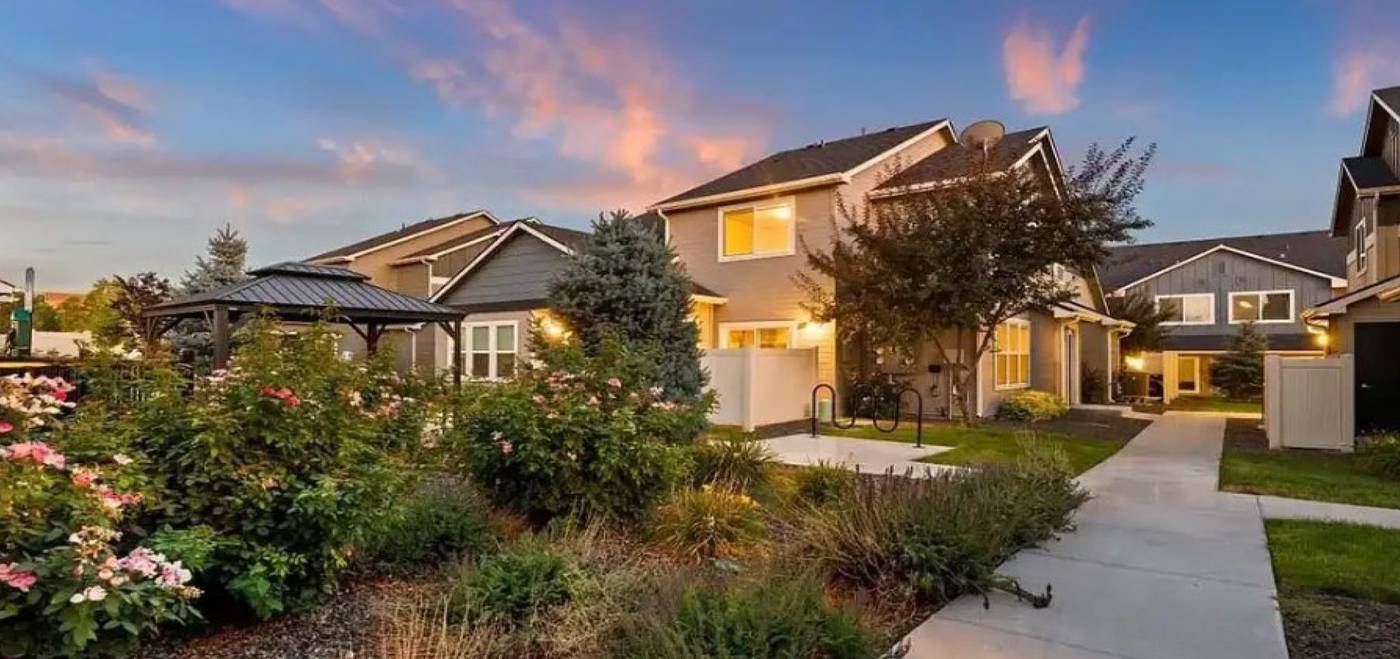
Multifamily development.Where supply is short.
High-growth markets, limited housing
We focus on fast-growing towns where rental supply hasn't kept pace with demand. In these markets, new jobs and new residents are arriving faster than housing gets built, and families are left with few quality places to rent.
We design, finance and build ground-up rental communities, from four-plex neighborhoods to build-to-rent townhomes, that bring well-designed homes to the towns that need them.
View multifamily projectsEntitlement.What it is and why it matters.
Entitlement is the process of getting government approval to develop land for a specific use. A 40-acre field zoned for agriculture can't simply be divided into home sites. Before anyone can build, the land usually needs the right zoning, an approved subdivision plat, access to water and sewer, road connections, and engineering plans the city or county has signed off on.
Each approval removes uncertainty about what can be built, which is why entitled land is generally worth considerably more than raw land. It's also why the process takes specialized knowledge, capital and patience. It involves engineers, surveyors, attorneys, planners, utility providers, and often public hearings before planning commissions and city councils.
Our process.Five steps from contract to closing.
A well-planned community takes years of coordination across dozens of specialists, agencies and public hearings. Here's what happens at each stage, who's involved, and roughly how long it takes. Timing varies widely by city, county and site.
Contract and feasibility
It starts with a purchase and sale agreement both sides are happy with. That opens a feasibility period where we confirm what the land can become: title review, zoning and comprehensive plan review, a pre-application meeting with planning staff, utility availability, access, and an early look at soils, wetlands and slopes. Our engineers sketch concept layouts to find the property's highest and best use.
Site design and land use application
We commission the studies the city or county will require: boundary and topographic surveys, a geotechnical (soils) report, traffic study, wetland delineation if needed, and preliminary grading, utility and stormwater plans. We design a plat that meets code and fits the market, then assemble the land use application. If the property is outside city limits, we prepare the annexation petition here too.
Submittal, public review and preliminary approval
Once the application is deemed complete, city staff and outside agencies review it and send comments we respond to. Neighbors receive public notice, and the project goes before a hearing examiner, planning commission or city council. Approval comes with conditions, such as road improvements, parks or utility upgrades, that shape the final design. Annexations and rezones often require additional hearings.
Engineering design
With the preliminary plat approved, our civil engineers prepare construction drawings: street design, water and sewer mains, stormwater systems, grading, and coordination with power, gas and telecom providers. These plans must satisfy every condition of approval.
Construction drawing approval and closing
The jurisdiction and utility providers review and approve the engineering, and permits are issued. With approvals in hand, we close on the purchase at the agreed terms and start moving dirt.
After closing: what happens to your land
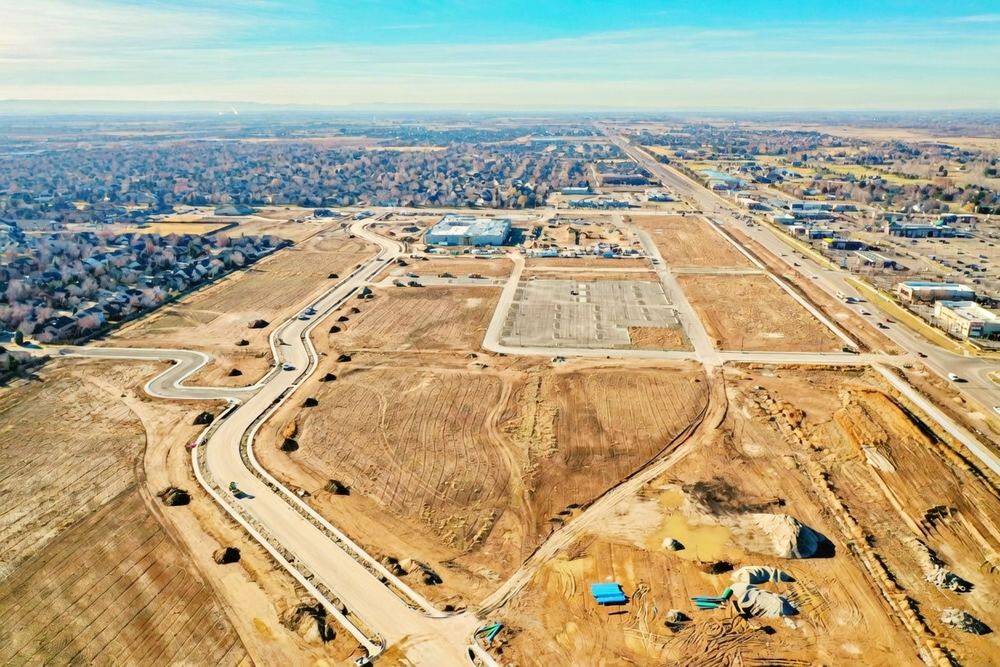
Crews grade the site and install roads, water, sewer, storm drainage and dry utilities. This is called horizontal development.
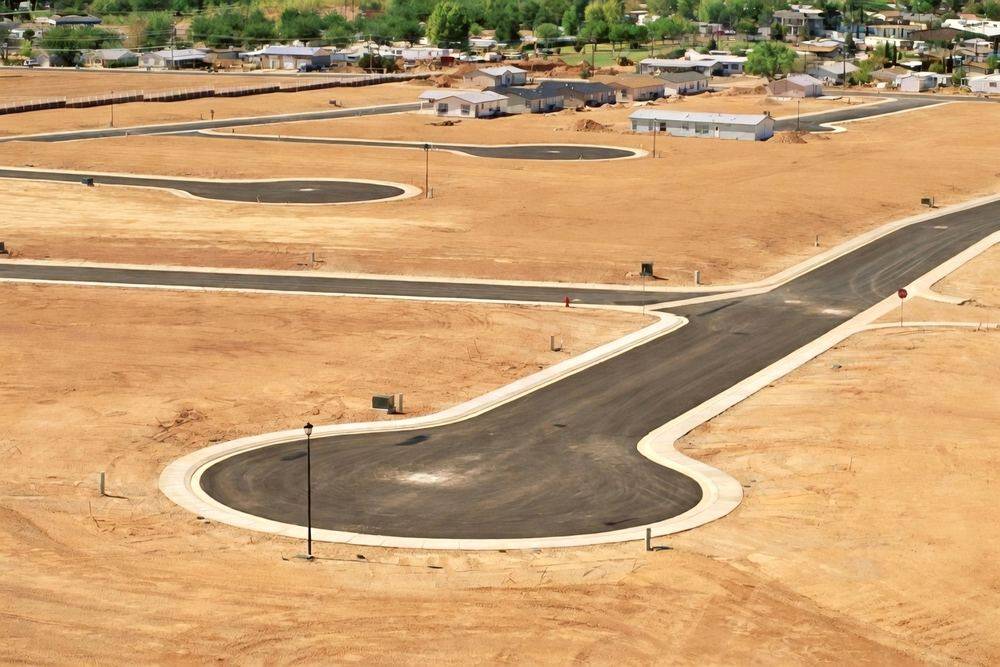
Once improvements are built and accepted, the final plat is recorded with the county and each lot becomes its own legal parcel.
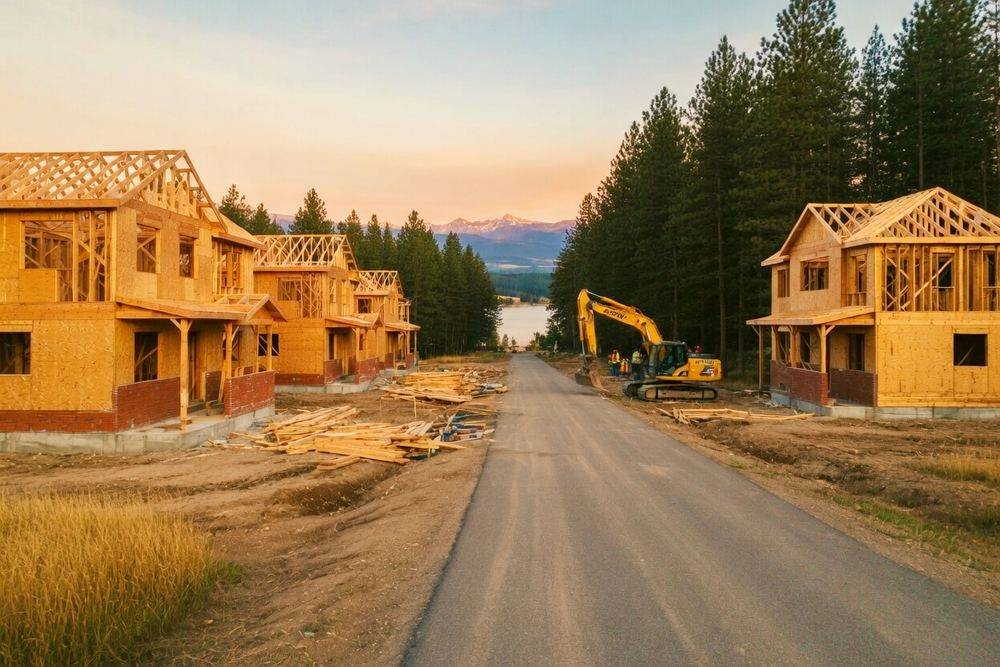
Builders construct homes, landscaping and amenities go in, and new residents move in.
Timeline.How long it really takes.
From signed contract to approved construction drawings, most projects take roughly 12 to 24 months. Sites that need annexation, a rezone or extensive environmental work can take longer. This chart is illustrative; every jurisdiction moves at its own pace.
Common hurdles.And how we handle them.
Most delays trace back to a handful of issues. We screen for them during feasibility, so surprises show up early rather than after months of work.
Water, sewer or power may not have room for new homes without upgrades. We confirm capacity with providers before committing to a design.
A property may need a second entrance, a new intersection or offsite road improvements. We evaluate access and traffic early.
Protected areas and steep ground reduce buildable land and add studies. We map them before laying out lots.
Poor soils or high groundwater affect foundations and stormwater design. A geotechnical report tells us what we're working with.
Public hearings bring questions about traffic, density and character. Thoughtful design and clear communication go a long way.
Code updates, fee increases, moratoriums and market shifts can move the target mid-process. We plan for them and adjust.
Your options.Three ways to sell land for development.
Every property and owner is different. Here's how the common approaches generally compare.
| Sell as-is today | Sell with an entitlement-based contract | Entitle it yourself | |
|---|---|---|---|
| Price | Raw land value | Typically higher, reflecting approved land value | Highest potential value |
| Time to close | Weeks to a few months | After approvals, often 12 to 24+ months | Longest, and you still need a buyer or builder |
| Costs and risk | Minimal | The buyer typically manages the entitlement work and approval risk | You fund engineers, studies and fees and carry the risk if approvals fall through |
| Your involvement | Minimal | Sign applications and stay informed | Extensive: hiring and managing a full project team |
We'll walk through the options with you and be straightforward about what makes sense for your property and your goals.
Questions.What landowners ask us most.
How long does entitlement take?
Most projects take about 12 to 24 months from signed contract to approved construction drawings. Annexation, rezones, environmental studies or a busy planning department can extend that.
Can I keep using my land during the process?
Usually, yes. Many owners continue farming, grazing or living on the property until closing. The details are spelled out in the purchase agreement.
Who pays for the studies and engineering?
In an entitlement-based contract, the buyer typically pays for the surveys, studies, engineering and application fees during the contract period. We spell out exactly who covers what in your agreement.
What happens if the city doesn't approve the project?
Entitlement-based contracts generally include contingencies that let the buyer walk away if approvals can't be obtained. In that case, the land stays yours.
Is my land a good candidate for development?
The strongest candidates are near growing towns, inside or next to city limits or an urban growth boundary, with access to water, sewer and roads. We work with parcels from about 5 to over 100 acres. Send us the address or parcel number and we'll take a look.
What about taxes?
Selling land can have significant tax implications. Many owners explore options such as a 1031 exchange. Talk with your tax advisor early, well before closing.
What do you need from me to get started?
Just the property address or parcel number, the approximate acreage, and anything you already know, like surveys, wells, easements or leases.
Wondering what your land could become?
Send us the address or parcel number and we'll take a look.